
The Ancient Roots of Gambling
The history of gambling dates back thousands of years, with evidence found in ancient civilizations such as China, Egypt, and Rome. Games of chance were often linked to religious rituals and used as a means of divination. The earliest known gambling artifacts, including dice, have been discovered in archaeological sites, indicating that humans have long been drawn to the thrill of chance. Today, enthusiasts can explore this evolution further by checking out the pin-up app download apk, which brings these ancient traditions into the modern era.
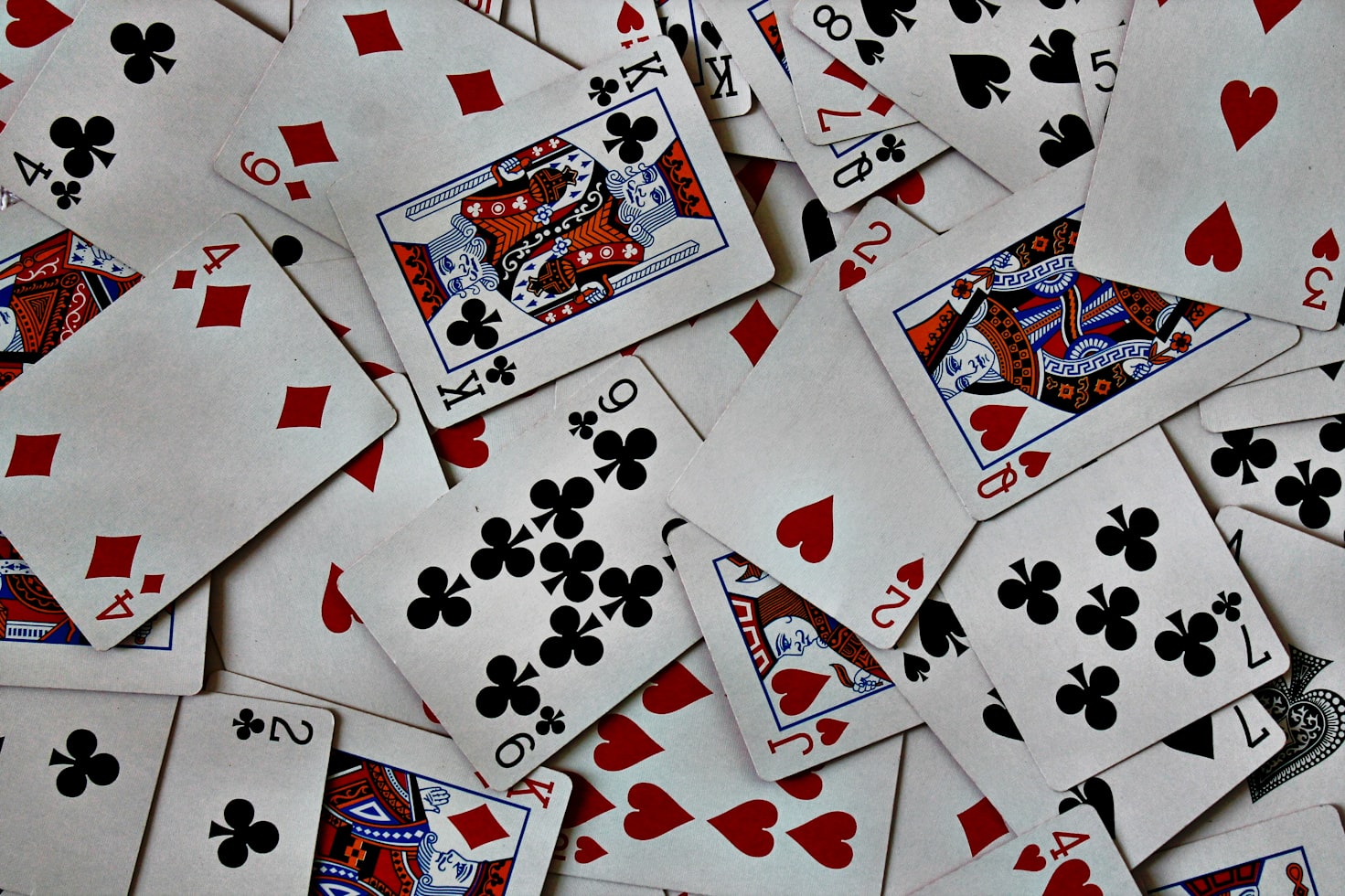
In ancient China, around 2300 B.C., games involving betting were often played during festivals and were considered a form of entertainment. The Roman Empire also embraced gambling, with various games played during gatherings. These early forms of gambling laid the foundation for the complex betting systems we see today.
The Middle Ages and the Rise of Organized Gaming
The Middle Ages marked a significant transformation in the gambling landscape. This period saw the establishment of formal gaming houses, where people could gather to play various games such as dice and card games. The popularity of these establishments grew as they provided a regulated environment for gambling, attracting nobility and commoners alike.
Additionally, the invention of the printing press led to the distribution of gambling-related literature, spreading awareness and interest. The concept of lotteries also emerged during this time, as governments began to use them as a means of raising funds for public projects. This evolution set the stage for gambling as a legitimate and profitable enterprise.
The Industrial Revolution and Modern Gambling
The Industrial Revolution brought significant changes to society and, consequently, to gambling. As people moved to urban areas and disposable incomes increased, gambling became more mainstream. The establishment of casinos in places like Monte Carlo in the 19th century introduced a new level of sophistication and glamour to the gambling experience.
This era also saw the birth of various popular games, including poker and blackjack, which became staples in casinos. The rise of the internet in the late 20th century further transformed the gambling landscape, making it accessible to a global audience and introducing online gaming platforms that revolutionized the way people gamble.
The Digital Age of Gambling
With the advent of technology, the gambling industry has undergone a significant transformation in the 21st century. Online casinos and betting platforms, like Pin Up, have emerged, providing users with a wide range of gaming options from the comfort of their homes. This digital revolution has made gambling more accessible, with mobile applications allowing players to engage in gaming anytime, anywhere.
Additionally, advancements in technology have improved security and user experience. Players can now enjoy live dealer games, virtual reality gambling, and a variety of promotional offers, enhancing the overall gaming experience. The digital age continues to shape the future of gambling, attracting a new generation of players.

Exploring the Pin Up Experience
The Pin Up app exemplifies the evolution of gambling in the digital era, offering a seamless mobile gaming experience for enthusiasts. Licensed by the Curaçao Gaming Authority, Pin Up prioritizes player security and satisfaction, ensuring a safe and thrilling environment.
With a wide range of games, including slots and live betting options, the app caters to various preferences and provides generous promotions for new players. By embracing innovative technology and prioritizing user experience, Pin Up is at the forefront of the gambling evolution, representing the future of this exciting industry.